Author: Kevin. Curley

  • Unveiling the World of Rodents: Beyond the Misconceptions

    Unveiling the World of Rodents: Beyond the Misconceptions

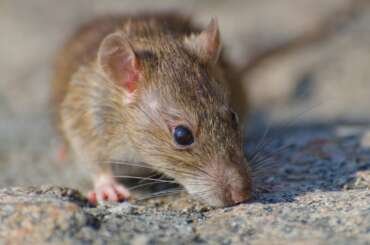
    Welcome to our exploration of the often-misunderstood world of rodents. Despite their reputation as pests, rodents encompass a diverse group of mammals with fascinating adaptations and ecological roles. In this blog post, we’ll uncover the truth about rodents, from their diverse species to their remarkable behaviors and ecological significance.

    1. Diversity of Rodents:
      • Rodents make up the largest order of mammals, with over 2,200 species worldwide, including mice, rats, squirrels, beavers, and porcupines.
      • They vary greatly in size, habitat preference, and behavior, from the tiny pygmy mouse to the industrious beaver and the agile tree squirrel.
    2. Adaptations for Survival:
      • Rodents are highly adaptable creatures, capable of thriving in diverse environments ranging from deserts and grasslands to forests and urban areas.
      • They possess specialized adaptations for survival, including keen senses of smell, sharp incisors for gnawing, and efficient reproductive strategies.
    3. Ecological Roles:
      • Despite their reputation as pests, rodents play crucial roles in ecosystems as prey, seed dispersers, and ecosystem engineers.
      • Many predators, including birds of prey, snakes, and carnivores, rely on rodents as a primary food source, contributing to ecosystem stability and biodiversity.
    4. Human-Rodent Interactions:
      • While some rodent species can pose challenges as agricultural pests or vectors of disease, others provide valuable services such as controlling insect populations or dispersing seeds.
      • Integrated pest management approaches that emphasize prevention, habitat modification, and non-lethal control methods can help mitigate conflicts between humans and rodents while minimizing environmental impacts.
    5. Cultural and Economic Significance:
      • Rodents have played significant roles in human cultures throughout history, serving as sources of food, clothing, and companionship.
      • Certain rodent species, such as the guinea pig and chinchilla, are kept as pets or bred for their fur, while others are valued for their contributions to scientific research and biomedical advances.
    6. Conservation Challenges:
      • Some rodent species face threats from habitat loss, fragmentation, and invasive species, leading to population declines and localized extinctions.
      • Conservation efforts focused on habitat preservation, restoration, and species-specific management strategies are essential for safeguarding vulnerable rodent species and their ecosystems.

    Rodents may evoke mixed feelings among humans, but their significance in ecosystems and human cultures cannot be overlooked. By dispelling misconceptions and recognizing the valuable roles they play, we can foster greater understanding and appreciation for these resilient and diverse mammals. So, the next time you encounter a rodent, consider the intricate web of life in which it plays a vital part, and marvel at the wonders of the natural world.

  • Unveiling the World of Ants: Tiny Titans of the Ecosystem

    Unveiling the World of Ants: Tiny Titans of the Ecosystem

    Welcome to our exploration of one of the most fascinating and industrious creatures on Earth: ants. These tiny but mighty insects play essential roles in ecosystems worldwide, demonstrating remarkable cooperation, communication, and adaptability. In this blog post, we delve into the captivating world of ants, from their diverse species to their incredible behaviors and ecological significance.

    1. Diversity of Ants:
      • With over 12,000 known species and an estimated total population in the quadrillions, ants are incredibly diverse and widespread.
      • Ant species vary greatly in size, color, habitat preference, and behavior, ranging from the tiny thief ants to the formidable army ants.
    2. Social Structure:
      • Ants are eusocial insects, living in colonies organized into castes such as workers, soldiers, and queens.
      • Each caste has specific roles and responsibilities, with workers undertaking tasks such as foraging, nest maintenance, and caring for the brood, while soldiers defend the colony and the queen focuses on reproduction.
    3. Communication and Cooperation:
      • Ants communicate primarily through pheromones, chemical signals that convey information about food sources, colony status, and potential threats.
      • Their remarkable teamwork and division of labor enable them to accomplish complex tasks such as constructing elaborate nests, foraging for food, and defending against predators.
    4. Foraging and Feeding Behavior:
      • Ants are omnivorous scavengers, feeding on a wide variety of organic matter including dead insects, nectar, seeds, and honeydew produced by aphids.
      • Some ant species cultivate fungi as a food source, while others engage in mutualistic relationships with plants or other insects.
    5. Ecological Importance:
      • Ants play crucial roles in ecosystem functioning, contributing to nutrient cycling, soil aeration, seed dispersal, and pest control.
      • They are keystone species in many ecosystems, influencing the abundance and distribution of other organisms through their interactions and activities.
    6. Adaptations and Survival Strategies:
      • Ants have evolved a range of adaptations to thrive in diverse habitats and climates, including deserts, rainforests, and urban environments.
      • Some species exhibit fascinating behaviors such as colony relocation, seasonal migration, and cooperative hunting techniques.
    7. Human-Ant Interactions:
      • While ants provide valuable ecological services, they can also be perceived as pests when they invade homes, damage crops, or sting humans.
      • Integrated pest management strategies, including sanitation, habitat modification, and targeted insecticide use, can help mitigate ant infestations while minimizing environmental impact.

    From their intricate social structures to their tireless work ethic and diverse ecological roles, ants exemplify the remarkable adaptability and resilience of life on Earth. By gaining a deeper understanding and appreciation for these tiny titans of the ecosystem, we can cultivate greater respect for the intricate web of life that sustains our planet. So, the next time you encounter a trail of ants or marvel at their industriousness, take a moment to acknowledge the vital contributions they make to the world around us.

  • Buzzing with Facts: The Fascinating World of Wasps

    Buzzing with Facts: The Fascinating World of Wasps

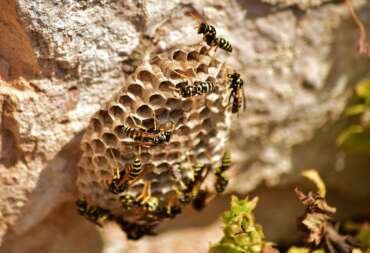
    Welcome to our latest exploration into the intriguing realm of insects: wasps. Often misunderstood and feared, these creatures play crucial roles in ecosystems around the world. In this blog post, we’ll uncover the secrets of wasps, from their diverse species to their remarkable behaviors and ecological significance.

    1. Diversity of Wasps:
      • There are over 100,000 known species of wasps, belonging to various families such as Vespidae, Apidae, and Sphecidae.
      • Wasps come in a wide range of shapes, sizes, and colors, from the familiar yellow jackets and paper wasps to the solitary mud daubers and velvet ants.
    2. Life Cycle:
      • Like other insects, wasps undergo complete metamorphosis, progressing through egg, larva, pupa, and adult stages.
      • Social wasps, such as yellow jackets and hornets, live in colonies with a queen, workers, and drones, while solitary wasps live and reproduce independently.
    3. Ecological Importance:
      • Wasps are essential pollinators, aiding in the reproduction of many plant species.
      • They also serve as natural pest controllers, preying on insects like caterpillars, aphids, and flies, helping to regulate pest populations in gardens and agricultural fields.
    4. Behavioral Adaptations:
      • Many wasp species exhibit fascinating behaviors, such as building intricate nests from wood fibers, mud, or saliva.
      • Social wasps have sophisticated communication systems involving pheromones and intricate dances to coordinate tasks within the colony.
    5. Sting and Defense Mechanisms:
      • While wasps are often feared for their painful stings, they typically only sting in defense of their nests or when provoked.
      • Unlike bees, most wasps can sting repeatedly without harming themselves due to their smooth stingers.
    6. Human-Wasp Interactions:
      • Understanding and respecting wasps’ behaviors can minimize negative encounters with humans.
      • Simple preventive measures, such as sealing food containers and avoiding sudden movements near nests, can reduce the likelihood of stings.
    7. Conservation Efforts:
      • Despite their ecological importance, many wasp species face threats from habitat loss, pesticide use, and climate change.
      • Conservation efforts, including habitat preservation and public education, are crucial for safeguarding these valuable insects and the ecosystems they inhabit.

    Wasps may not always receive the same level of appreciation as their counterparts like bees and butterflies, but they play equally vital roles in maintaining ecological balance. By learning more about these remarkable insects and adopting practices that promote coexistence, we can foster a greater understanding and respect for the diverse creatures that share our world. So next time you encounter a wasp, take a moment to appreciate its beauty and ecological significance.